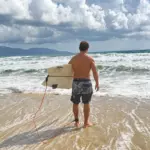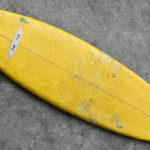
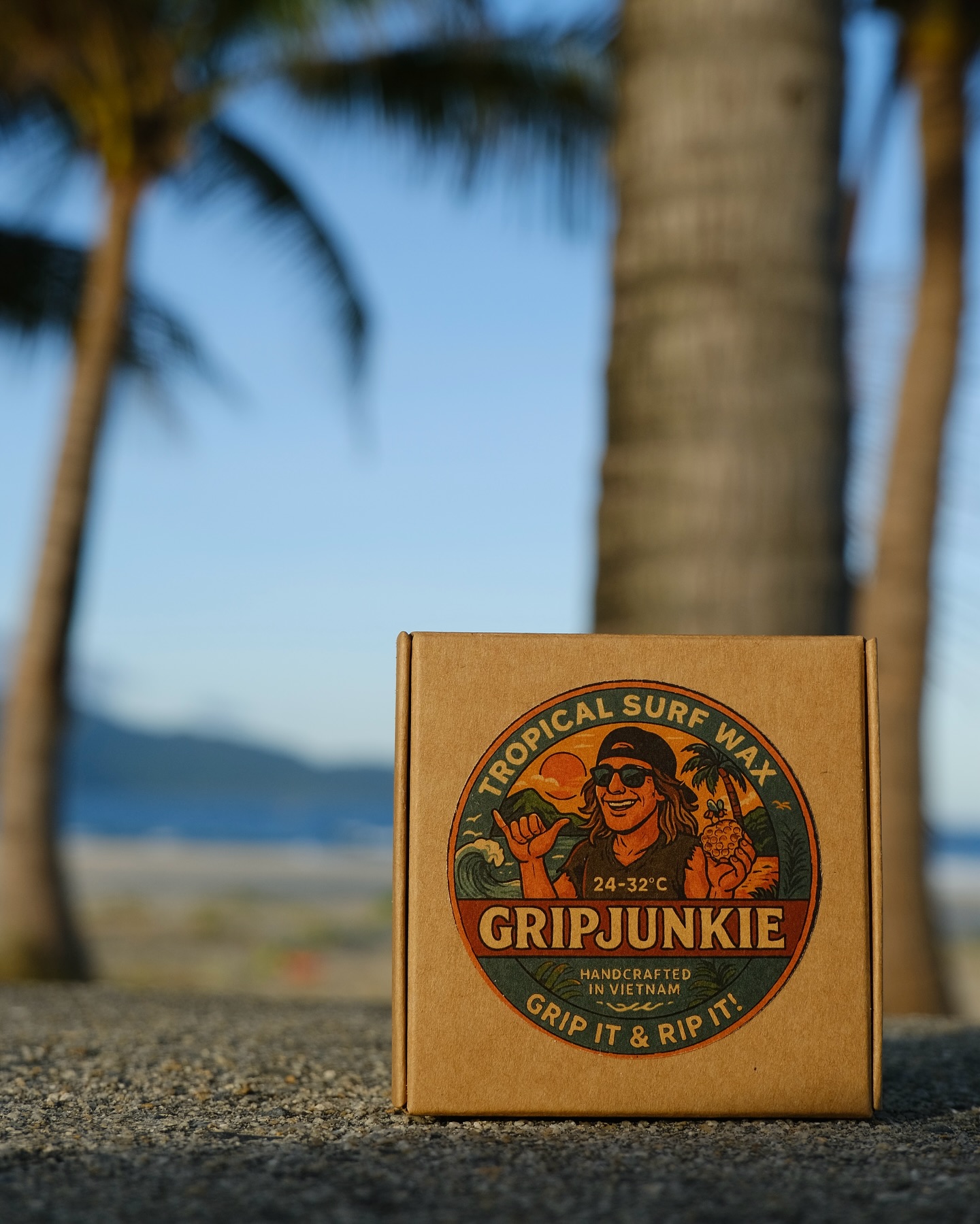

When you’ve slid off your board for the tenth time after only a couple of waves, your patience wears thin—especially in Da Nang, where the ocean runs warmer than the air and ordinary surf wax melts off before you even pop up. That’s exactly what happened to Vanya Aron, a local surfer and shaper. Tired of chasing wax that wouldn’t stick, he set out to craft his own. In a small Da Nang kitchen, GRIPJUNKIE was born: a handmade, all-natural surf wax that shrugs off Vietnam’s blazing sun, salty water, and the hardest tests local riders can throw at it.
In this article we’ll explain why it works, what it smells like, how to apply it properly—and where to snag a couple of bars before your next sunset session.
New to surfing in Vietnam? Don’t miss our complete Beginner’s Surfing Guide for Vietnam — tips, safety basics, and what to expect on your first sessions.
Why You Need Tropical Surf Wax in Da Nang

In Da Nang, it’s not the waves that are the problem—it’s how quickly regular surf wax stops working. As soon as the water warms up to 30°C (86°F) and above (which is almost every summer day), standard surf wax turns into a sticky film that just slides off your board. By noon, you’re scraping off a gooey mess instead of seeing those familiar bumps. Anyone who’s surfed here in summer knows the feeling.
Vanya, who’s out on the water almost every day, got tired of searching local shops for wax that actually worked. That’s why he started making his own. GRIPJUNKIE is built to hold its shape and grip, even on the hottest, most humid days—when other waxes just melt away.

No wax in shops, and online orders took too long—so I made my own.
What makes GRIPJUNKIE different:
- Formulated for the tropics
GRIPJUNKIE uses plenty of natural beeswax and pine resin. This mix is harder than most surf wax and won’t melt, even at 33°C (91°F). It also stays flexible at night and doesn’t crack. - Easy to apply
The bar is firm, doesn’t stick to your hands, and goes on smoothly—no smearing, no melting as you wax your board. You don’t need any special skills: just rub it on and you’re ready. - Doesn’t melt in the sun
Even if your board is lying on the sand between sessions, the wax holds its shape. After surfing, just touch up with a wax comb and a bit more fresh wax—the grip stays solid.
Quick Guide: Choosing the Right Wax for Da Nang
| Water Temperature | Which Wax to Use |
|---|---|
| Under 24°C | Base coat (hard first layer) + softer wax (coming soon from Vanya) |
| 25°C and above | GRIPJUNKIE Tropical — the best choice |
Vanya’s Tips for Applying Wax
1. Always start with a base coat
The base coat is a hard first layer of wax. Its job is to create small bumps (“bumps” or “nubs”) on your board that help the tropical wax stick. Take a hard base coat (or the hardest wax you have), and apply it to your clean board in small circles or diagonal strokes until you feel a rough texture. It takes just a minute or two, but your main wax will last twice as long and stay grippy.
2. Don’t press too hard or overdo it
It’s better to apply two thin layers than one thick one. Use diagonal strokes, take your time—this gives you nice, solid bumps that won’t rub off right away.
3. Store your wax properly
Don’t leave your wax bar in your scooter or in direct sunlight. It’s best to keep it in the shade or in your surf bag, so it doesn’t get soft.
The right wax isn’t just about comfort—it’s about consistency. When your board isn’t slippery, you can trust your pop-ups and focus on enjoying every wave.
Not sure when the water is warmest or when the swell is best? Check out our Local Seasons Guide: Best Time to Surf in Vietnam for everything you need to plan your surf trips.
How to Apply Surf Wax for Warm Water: Step-by-Step Guide
Getting the right grip starts with how you wax your board. Here’s Vanya’s tried-and-true routine for applying surf wax in Da Nang’s heat—no nonsense, just what actually works.
What You’ll Need
- Clean, dry board
- Hard base coat surf wax
- Tropical surf wax (like GRIPJUNKIE)
- Wax comb (optional, but handy)
- Rag or old t-shirt (for cleaning)
Step 1: Clean Your Board
Remove any old wax from your board using a wax comb or a piece of plastic (an expired card works in a pinch). Wipe off any dust or sand with a dry rag. A clean board helps new surfboard wax stick better and last longer.
Step 2: Apply the Base Coat
Take your base coat (the hardest wax you have). Hold the bar at an angle and rub it onto the board in small circles, diagonal lines, or a crisscross pattern—whatever feels natural. Your goal: build up a bumpy, rough layer that you can actually feel under your palm. Don’t rush; a solid base coat takes a minute or two.
Why it matters:
The base coat acts as an anchor. Without it, even the best tropical surf wax will slide right off your board.
Step 3: Add the Tropical Surf Wax
Grab your tropical surf wax (made for water 25°C and up). Lightly rub it over the area you just prepped, following the same pattern as before. You don’t need much pressure—just enough to build a thin, even layer over the bumps.
- Two light coats work better than one thick one.
- Focus on where your feet actually go (front and back foot zones).
- If bumps start to flatten after a few sessions, use your wax comb to rough them up before adding more wax.
Step 4: Final Touches
Give your board a quick once-over—make sure the wax feels bumpy, not smooth. Tap it gently: your palm should catch on the wax, not slide. If it feels slick, add a bit more wax.
Before your next surf, keep your wax bar in a cool place so it stays firm and easy to use.
Quick Recap (save this checklist):
- Clean board = better wax job
- Always start with a base coat
- Use tropical surf wax for warm water (25°C+)
- Thin layers, not thick globs
- Refresh bumps with a wax comb as needed
With this simple routine, you’ll spend less time slipping and more time actually surfing—even when the heat is on.
Removing Old Surf Wax: Real Tips That Work
Ever looked down at your board after a few weeks and felt more sticky sludge than proper wax bumps under your hands? That’s your sign: time to clean up and give your board fresh grip. Here’s how I do surfboard wax removal quickly, without any hassle.
What You’ll Need
- A wax comb (or any plastic card—even an old loyalty card will do)
- Dry rag or some paper towels
- A few minutes of sunlight or a hairdryer
Step-by-Step: How to Remove Surf Wax
1. Warm Up the Board
Leave your board out in the sun for five minutes. In Da Nang, that’s usually enough for the old surf wax to soften up. If it’s cloudy, just use a hairdryer on low—works just as well.
2. Scrape Off the Wax
Take your wax comb or card and gently push off the softened wax. No need to press hard—just slide the edge at a slight angle across the deck and the old wax will come right off, rolling up in clumps.
3. Wipe It Down
If there are any small bits left or the deck feels greasy, use a dry rag or paper towel to clean up the last traces. Your board should now feel totally clean and smooth, like new.
Need to fix a ding or rent a board while you’re in Da Nang? We’ve got a full directory of surfboard rental and repair shops to help you get back in the water, fast.
How Often Should You Re-Wax?
For me, if the wax looks sandy, feels slippery, or starts to smear after a rainy day—I know it’s time for a fresh start. In Da Nang’s climate, I usually do a full surf wax removal every 1–2 weeks, or sooner if the waves have been pumping.
Why Bother With Wax Removal?
It’s like putting a new sticker on a dirty surface—it just won’t stick right. Fresh wax only works well on a clean deck, so taking a few minutes to scrape and wipe your board means you get better grip and those perfect new bumps every time.
Regularly cleaning your board makes every surf feel fresh and solid, with less slipping and way more fun. Tried and tested, session after session!
Where to Actually Buy Surf Wax in Da Nang (Without the Usual Headaches)
Straight from experience:
Most surf shops in Da Nang either run out of wax or stock the wrong kind for our hot water. I’ve lost count of how many times I bought a new bar in the morning, only to find out it was “cool water” wax that turned to mush within minutes. If you want real grip and less stress, here’s where local surfers go.
1. GRIPJUNKIE — Local Wax That Works
This is the wax I trust (and so do most surfers I know). GRIPJUNKIE is handmade in Da Nang by Vanya, a local surfer who tests every new batch himself and shares it with friends for real feedback.
Unlike most brands you’ll find in shops, this wax doesn’t turn into a puddle on hot sand or clog up with grit after a single session. Just rub it on and go surf—no drama.
How to get it:
- Easiest way:
Order straight from Shopee — GRIPJUNKIE on Shopee.
Fast shipping all over Vietnam, sometimes same day if you’re in Da Nang. - Prefer to chat or grab it in person?
Vanya is often at My Khe or around An Thuong. Message him directly on Telegram or Zalo: @Ant_rec, call 0948770926, or just scan this QR code. He’ll sort out a pickup spot and give you honest advice about what works best for current conditions.
2. Local Surf Shops: Worth a Try, But…
Some surf shops near My Khe and in Hoi An sell wax, but honestly, a lot of it is leftovers from Bali or last winter. They might call it “all conditions,” but if it doesn’t say “tropical” or “warm water” on the label, you’ll end up with a greasy deck within half an hour.
- Example: I picked up wax at Da Nang Surf School Shop—turned out to be “cool water.” Lasted two sessions before melting away.
- Same deal at Hoi An Surf Shop: in hot weather, only use wax labeled for the tropics.
- Crown Beach? Always double-check with the staff; sometimes they’re not sure what’s in stock either.
3. Marketplace Apps
You’ll sometimes spot “surf wax Vietnam” on Shopee, Lazada, or Facebook Marketplace, but check the label and the reviews. Plenty of sellers don’t realize how brutal the heat is here, so local brands like GRIPJUNKIE are usually your safest bet.
To compare:
Buy a random “cool water” wax and it’s like putting on hand cream—it feels good until you actually paddle out. With GRIPJUNKIE, those firm bumps stay on your deck all session, even after hours in the sun.
If you’re done wasting time and want reliable grip:
GRIPJUNKIE on Shopee — it just works. And if you want advice, tips, or a quick chat, message Vanya—he’s around and always happy to help both new and seasoned surfers.
What Local Surfers Say About GRIPJUNKIE
Here’s what people in Da Nang are saying after a few sessions with GRIPJUNKIE’s tropical surf wax:
Linh (longboarder):
“I usually end up sliding all over with regular wax, but this one really holds up in the heat. The bumps stay sharp, and my feet actually stick—even after an hour in warm water. Easily the best surf wax for warm water I’ve found here.”
Matt (shortboard, from Australia):
“I was skeptical at first. Every other brand melted off my board by lunchtime, but GRIPJUNKIE survived a whole midday session. No more slipping around. It’s a good surf wax—simple as that.”
Minh (beginner):
“I kept falling off with other wax—my deck just got slippery. Tried this after a friend’s tip, and it made a big difference. Feels grippier and easier to stand up.”
Anya (digital nomad):
“I leave my board on the balcony in the sun, so most wax just turns to goo. This one doesn’t melt away and the grip lasts all session. Not much more to say—it works.”
Got your own feedback or story?
Send Vanya a quick message here or leave a review on Shopee—it helps keep making the wax better for everyone.
Quick Q&A: Real Surf Wax Advice for Da Nang
How long does surf wax last in Da Nang’s heat?
If you keep up with a wax comb and don’t let sand build up, a good layer lasts about 4–6 sessions—even in hot weather. Early in the season (spring/fall), when it’s a bit cooler, it can stick around longer. But if your board spends time in the sun or gets gritty, don’t hesitate to scrape and re-wax. It takes just a couple minutes and makes a big difference.
Can I use this wax on a SUP?
Definitely. Just go easy—a thin layer in your main standing area is enough, especially for barefoot paddling or if you’ve got kids riding along. Some SUP folks wax only a “strip” where they actually stand, so the rest stays clean and comfy.
How do I know it’s time to re-wax?
Run your palm across the deck: if it feels flat, smooth, or dirty, it’s time for a fresh coat. Sometimes the bumps are still there, but your feet start slipping—that’s your signal. For most, that’s about once a week in peak season, and maybe every couple weeks when the water’s cooler.
How do I pick the right surf wax for the season?
Da Nang almost always calls for tropical (warm-water) wax—look for “tropical” or “warm” on the label. At the start and end of the season, when the water drops below 25°C, you can use a little more base coat or try a softer wax if you notice your grip fading.
Is GRIPJUNKIE eco-friendly?
GRIPJUNKIE is made mostly from natural stuff—beeswax, pine resin, coconut oil—with a little paraffin to keep it solid in the heat. No harsh chemicals, and way friendlier to the ocean than most wax you’ll find here.
Can surf wax go bad?
If it’s left in the sun for ages, it can dry out and lose its scent, but usually, a bar is good for a year or more if you keep it out of direct heat. I stash my spare wax in a shady spot—always works when I need it.
How do I make my wax last longer?
Keep your board out of the car and off the hot sand whenever possible—shade is your friend. After every session, use your wax comb to rough up the bumps. That way you get more grip, session after session.
Wrapping Up: Take Care of Your Grip, Take Care of Your Surf
In Da Nang, good surf wax is more than just gear—it’s peace of mind for every session. Whether you’re new to the water or have logged a hundred dawn patrols, the right tropical wax means you can focus on catching waves, not worrying about slipping.
If you ever have questions—about surf wax, fixing your board, or where to paddle out next—just ask someone on the beach. Or drop Vanya a message here; he’s always glad to share what’s working, help with your setup, or simply swap a surf story.
Tried GRIPJUNKIE or found another wax that holds up in Vietnam’s warm water? Share your own experience, tips, or feedback, so others can get the best out of their sessions too. Every honest review and bit of advice keeps our little surf community strong.
Here’s to clean boards, strong grip, and more good days in the lineup—see you out there.